Collection costs add up.
Dedicated hardware, operator time and resets make it costly to repeat demonstrations across tasks and locations.
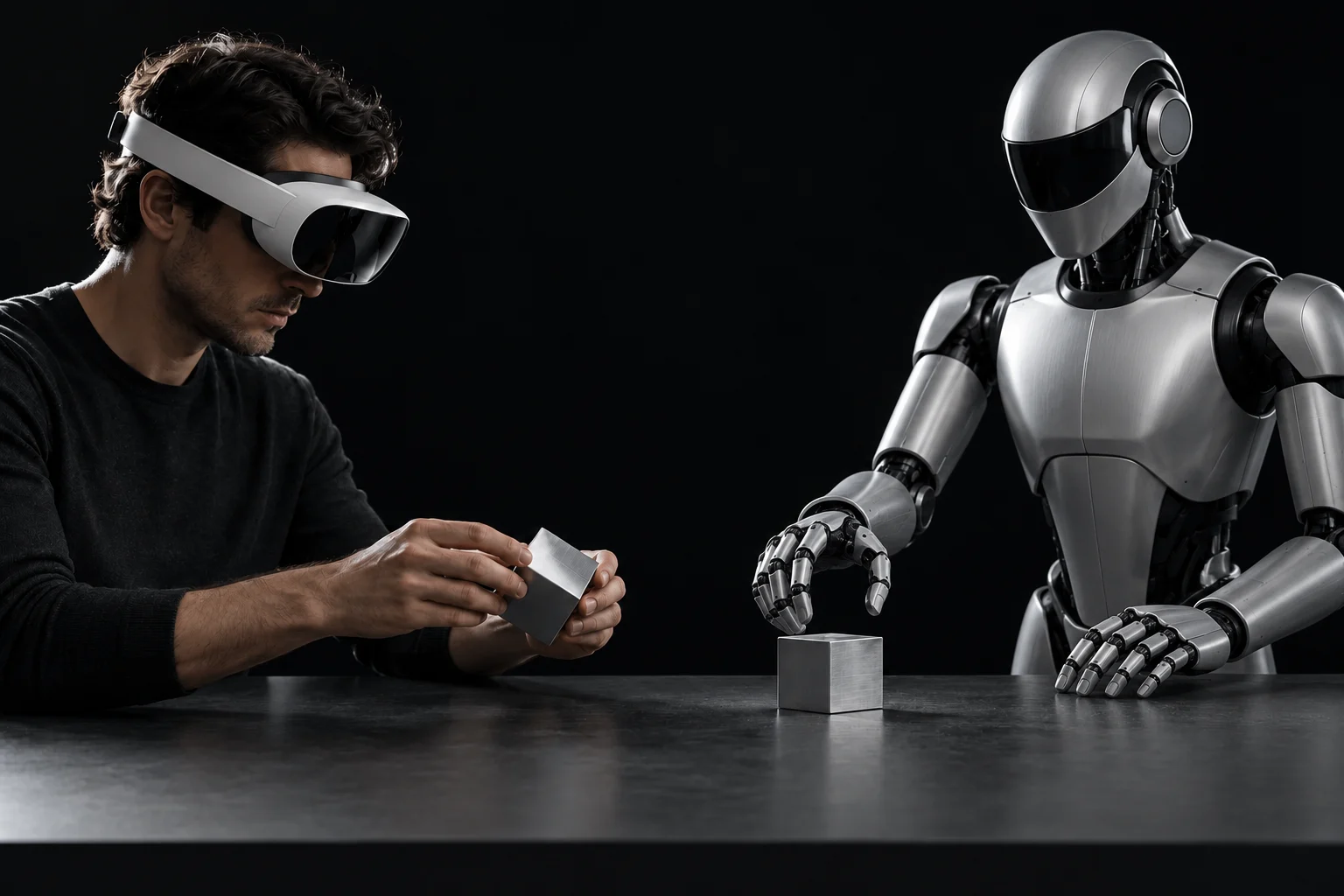
Targeted robotics training data,
collected through guided XR missions.
Dedicated hardware, operator time and resets make it costly to repeat demonstrations across tasks and locations.
Existing datasets may not cover your exact task, objects or success criteria. More footage does not guarantee the right examples.
Recordings of the same task may use different instructions, object positions and starting conditions. Without that context, they are harder to combine into a consistent training set.
Different demonstrators bring different levels of skill. Mixing weak and strong demonstrations can make learning harder.
Define your task and environment. Designed to deploy each mission automatically to tens or hundreds of thousands of existing XR headsets.
Specify the missing skill, objects and success criteria. Give every contributor clear, step-by-step XR instructions.
Define the scene layout, object positions and permitted variations. Capture coordinated head, upper-body and hand motion on supported setups.
Designed to collect from many contributors under one acceptance protocol, reviewing task completion and recording quality before delivery.
Automate retargeting for selected robots, adapting movements to their joints and physical limits with robot-specific validation.
Meet the A2ZRO platform.
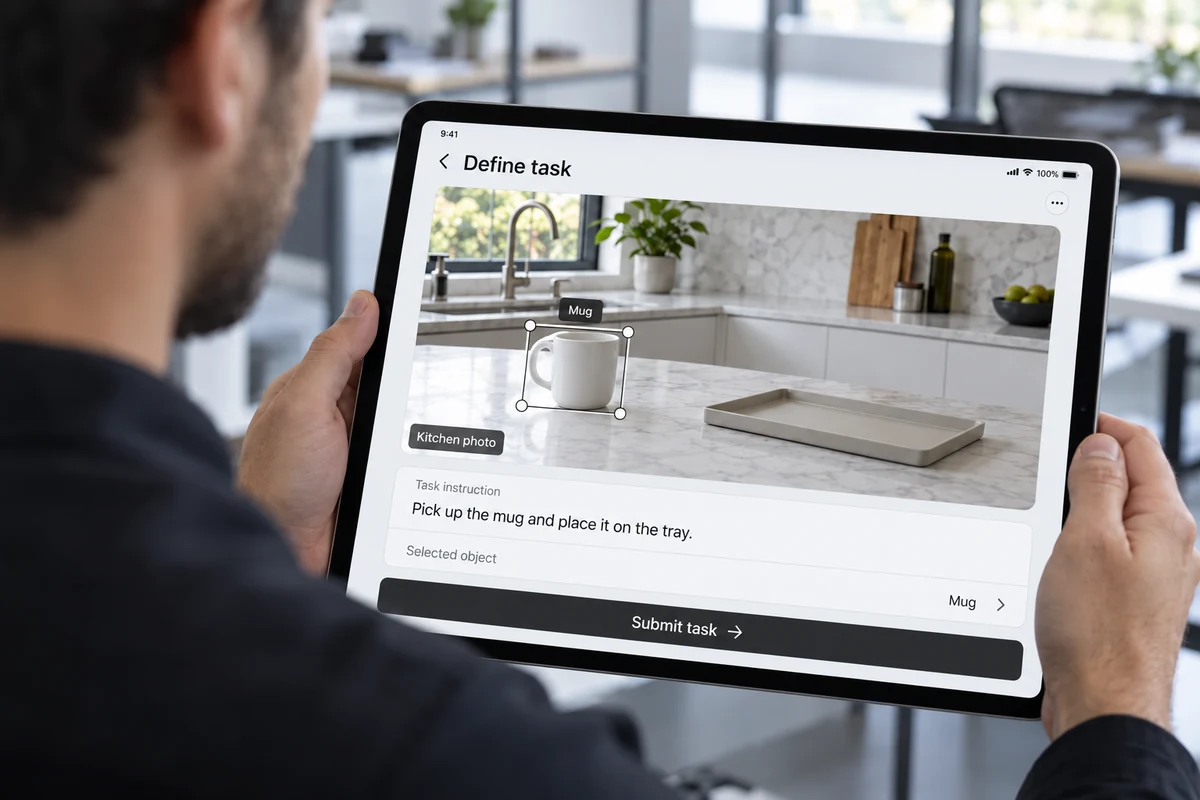
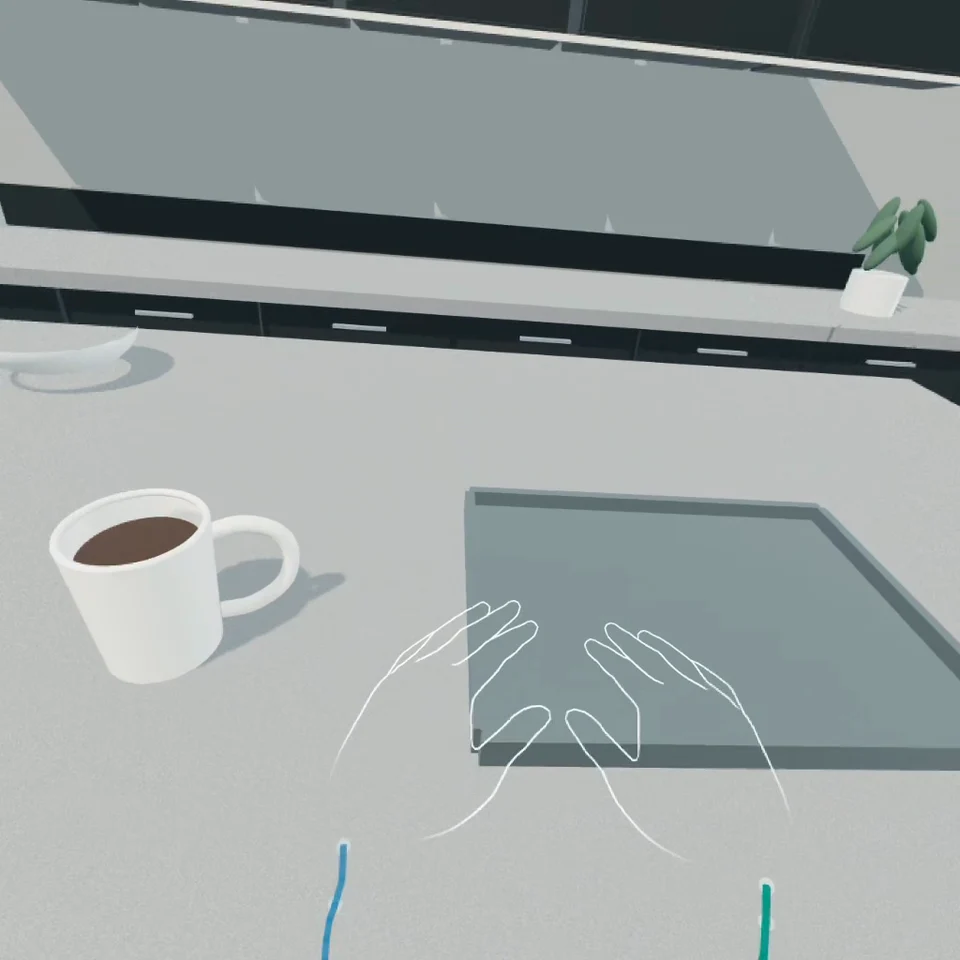
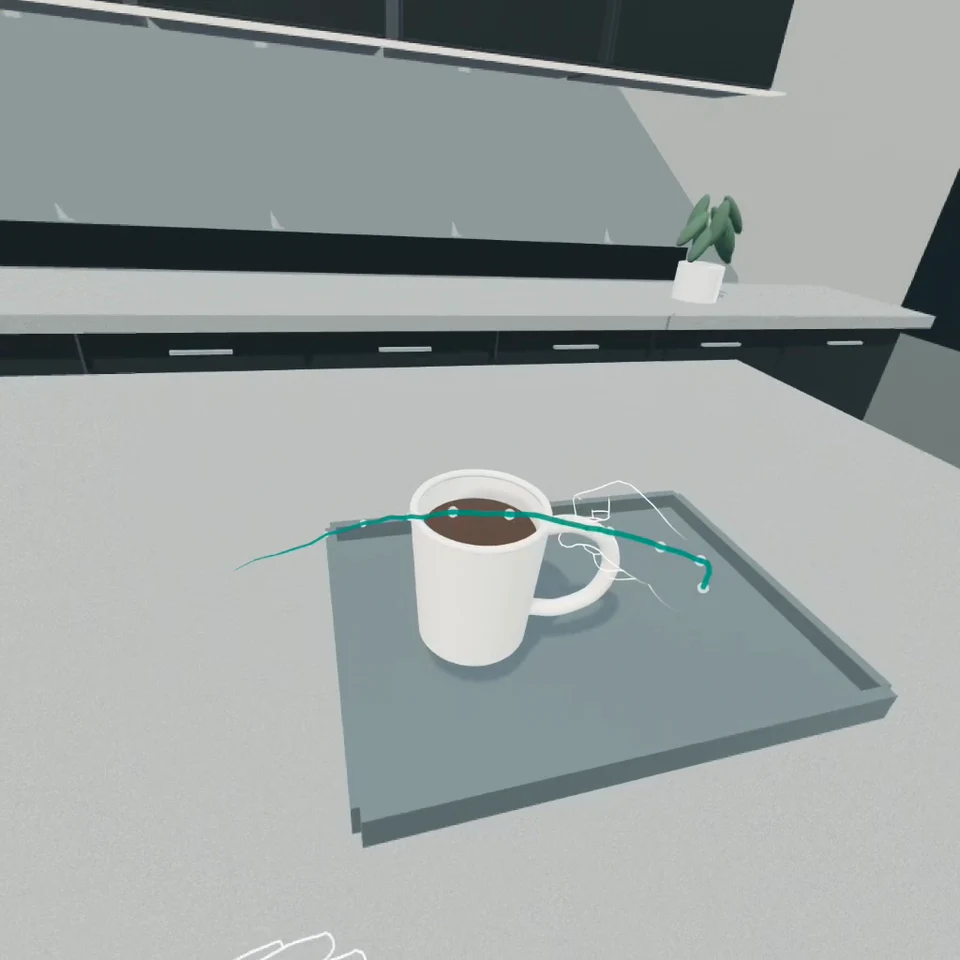
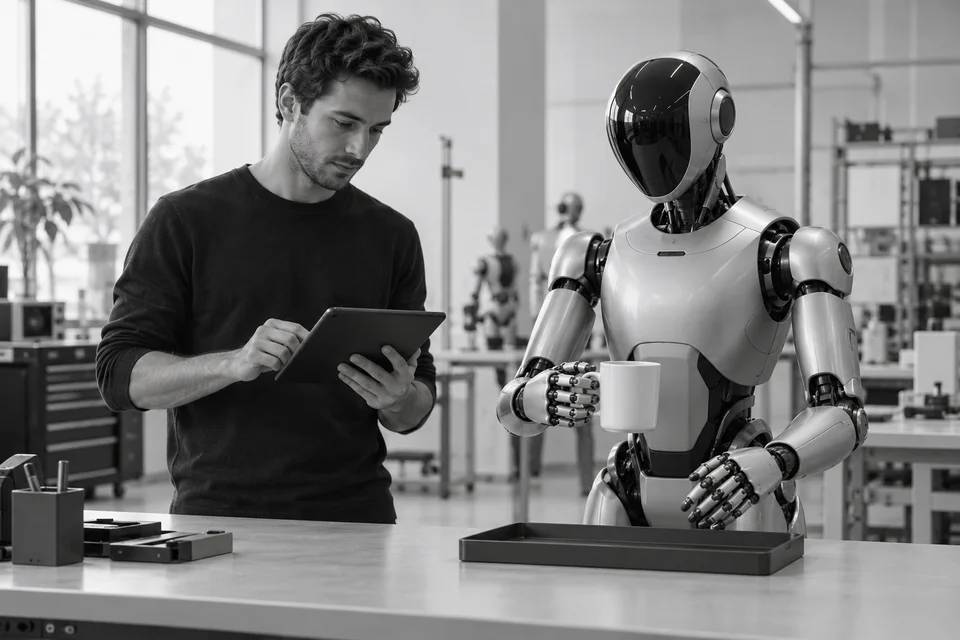
Follow a task from human movement to robot replay. Explore the motion and attention behind each action.
Become a ContributorBring a task your robot struggles with. We’ll scope a focused data collection pilot together.
Discuss your pilotTell us what your robot needs to do, where it falls short and which examples are missing.
Together, we define the variations, tracking signals, demonstration count and acceptance criteria.
Agree on the delivery format and how your team will test the data in its training pipeline.


A pilot would agree the permitted first-person recordings, task annotations, mission metadata, format and acceptance criteria before collection. Precise robot joint actions, contact forces, tactile data and universal motion transfer are outside the initial scope.
The initial prototype is planned around Meta Quest 3 and Quest 3S. Device support, camera access, recording permissions and commercial data-use rights remain subject to technical and platform-policy validation.
We are gathering expressions of interest for a future contributor cohort. Missions are not yet publicly available. Participation would be for adults with eligible hardware, with agreed rewards for accepted contributions where offered.
The proposed collection workflow uses informed consent and task-specific recording. It should minimize private-home details, bystanders and unnecessary personal information. SDK hand-tracking exports are not assumed to be available for sale or external training use.
Bring a collection challenge.
Or join our future XR network.
What does your model need to learn?